
By: JOSH MOORE
Hudson Valley Family Doulas is dedicated to helping mothers and supporting their birth and postpartum wishes. We offer in-person and virtual consultations, as well as other beneficial services to assist before and after childbirth. Connect with us today at 845-288-1985.
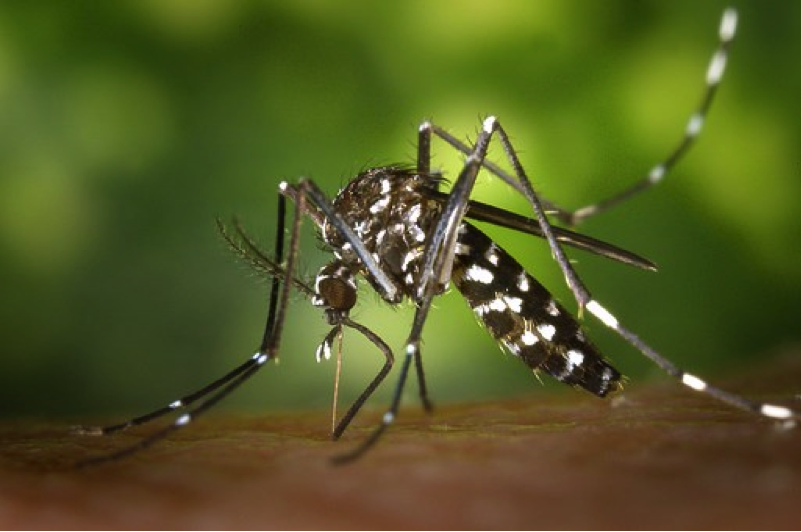
It’s difficult to believe that something as tiny as a mosquito or tick can make you ill, or even threaten your long-term health. But mosquito-borne infections can cause encephalitis, malaria and fever, while a tick bite may result in Rocky Mountain Spotted Fever or Lyme disease, a dangerous infection that produces severe headaches, nerve pain and even cardiac complications.
The symptoms of mosquito and tick bites can, in severe cases, be debilitating and require intensive medical treatment. Fortunately, there are steps you can take to protect yourself and loved ones from the dangers of bites and consequent infection.
Approved repellents
There’s a list of safe and effective repellents registered with, and approved by, the Environmental Protection Agency (EPA). That list includes Picaridin, oil of lemon eucalyptus, para menthane diol, and IR 3535. These repellents have been found safe for use by pregnant women and children, through the repellent you choose should be based on its suitability for your needs—for example, select one that protects long enough to suit your outdoor plans.
A registered repellent may have multiple product names, so check the registration number against the EPA’s database to make sure you’ve found the right product. If you’re using sunscreen, always apply it before insect repellent so you don’t dilute its effectiveness.
Preventive measures at home
When it comes to safety at home, it’s worth it to bring in a professional gardening service that can keep your garden, as well as your lawn, well-maintained and safe for children and pets to play in. These experts will also remove brush and dead tree limbs or leaves to eliminate places where ticks and mosquitoes can nest.
Meanwhile, if you need a tree removed, you’ll need to call in experts who can professionally remove it from your property. Although estimates range from $50 to $1,500 for tree removal, you may need to budget for more than $1,600 if the tree in question is particularly big or difficult to remove. Ideally, you should read reviews first to narrow down your choice, and always ask for estimates upfront.
Preventive measures when you’re out
Wearing long-sleeved shirts and long pants is another way to protect against bites. Wear socks and high-rise shoes or boots, especially if you’re going hiking or if you’ll be around high grass. Pay attention to what you keep in your yard; deer ticks are especially dangerous, so include deer-resistant plants, such as daffodils, foxgloves and poppies, which are toxic to deer and help defend humans against the ticks that deer carry.
Check everyone for ticks as soon as you come inside or immediately following an outdoor activity. Pay close attention to hair-covered parts of the body, and take a shower within an hour of returning home to force out any ticks you missed (and don’t forget to examine your dogs). Ticks can conceal themselves within clothing as well as hair, so run all clothing items through the dryer on high heat for 10 to 15 minutes, which should be enough to kill any ticks.
Preventive measures against mosquitoes
Fans can help keep mosquitoes away, so keep your ceiling fan turned on or plug in a floor fan to keep a steady flow of air going. Standing water is an ideal breeding ground for mosquitoes, so make sure there’s no water left in wading pools, bird baths or children’s toys. Ridding your yard of places where mosquitoes can lay eggs will help keep them under control, but if you do get bitten, apply aloe vera, apple cider vinegar, or essential oils to affected areas.
Removing a tick
Ticks can be difficult to detect and must be removed carefully—failing to do so properly may leave a tick’s head under the skin. Grasp the tick by its head with a pair of tweezers as close to the skin as possible. If that doesn’t work, a sterile needle can be used to remove the tick’s head from the skin. Wash with soap and water, and use rubbing alcohol on the bite area. Apply an ice pack to reduce inflammation and alleviate discomfort, and watch for signs of infection. Consult a physician if infection sets in.
Mosquitoes and ticks pose a potentially dangerous threat to humans and animals. There is mounting evidence that global warming is increasing the incidence rate of mosquito- and tick-borne diseases, so precautions against bites should be taken very seriously. Use common sense and use a preventive mindset when it comes to protecting yourself and loved ones.
Courtesy of Pixabay.com
Recent Comments