
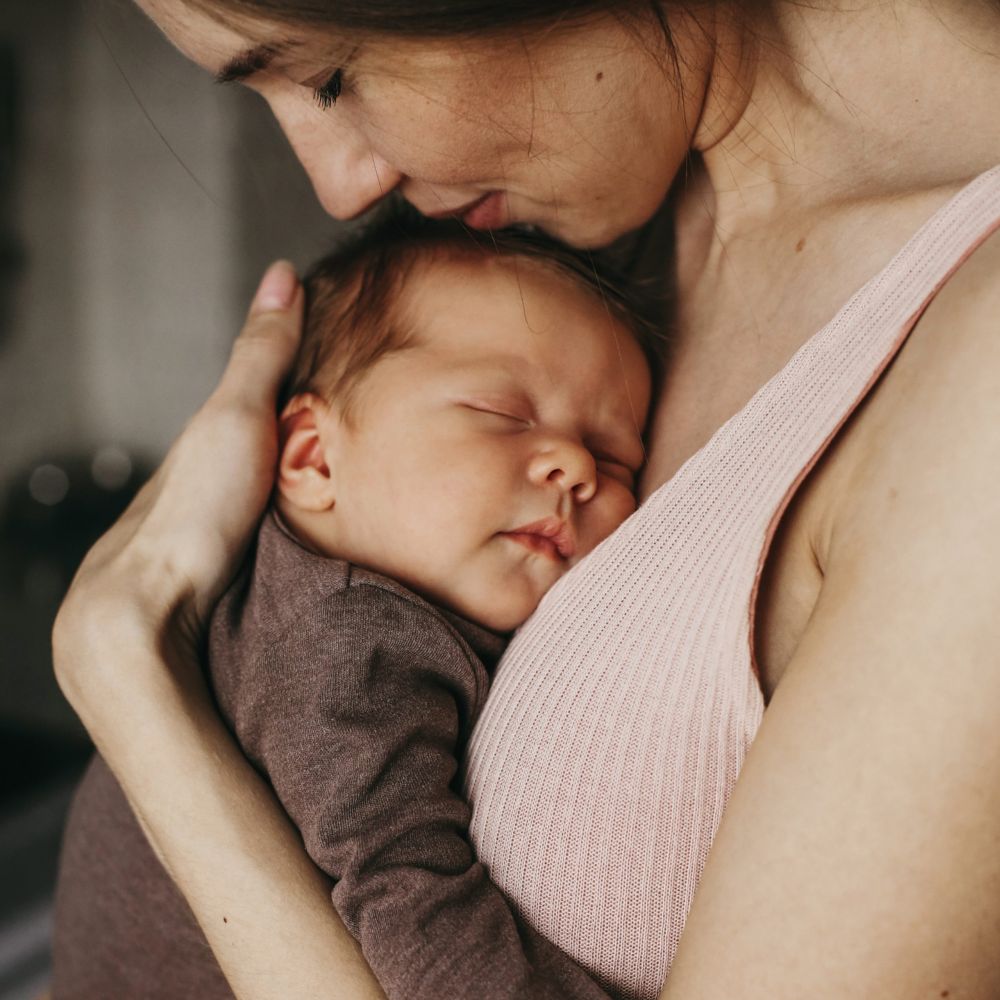
A midwife is a licensed health care provider who gives medical care during pregnancy, birth and the weeks after. A doula is a trained, non-medical support person who looks after your comfort, your questions and your recovery. Many families have both, because the two roles cover different needs. At Hudson Valley Family Doulas, our doulas work alongside your midwife, OB or pediatrician and never in place of them.
What does a midwife do?
A midwife is a clinician. In New York State, midwives are licensed by the State Education Department, and many are certified nurse-midwives (CNMs) who are also registered nurses. A midwife’s work is medical:
- Prenatal checkups, exams, lab work and monitoring of you and your baby
- Managing labor and catching the baby at a hospital, birth center or home birth
- Recognizing complications and coordinating with physicians when care needs to change
- Postpartum medical checkups, prescriptions and gynecological care
What does a doula do?
A doula provides physical, emotional and informational support. Doulas don’t perform clinical tasks: no exams, no medication and no medical decisions. What they do instead:
- Birth doulas stay with you through labor, helping with comfort measures, positions, breathing and keeping you and your partner informed and calm.
- Postpartum doulas support your family at home after the baby arrives: help with feeding (breast, bottle or both), newborn care, soothing, rest, light household help and emotional support while you recover.
- Overnight postpartum doulas care for your newborn through the night so you can sleep, bringing the baby to you for feeds or bottle feeding based on your plan.
Doula vs. midwife at a glance
| Midwife | Doula | |
|---|---|---|
| Role | Medical care provider | Non-medical support person |
| Licensed? | Yes, by the state | No state license; trained and often certified by doula organizations |
| Delivers the baby? | Yes | No |
| Medical exams and decisions | Yes | No |
| Comfort, emotional support and information | Some, alongside clinical duties | Yes, this is the whole job |
| Time with you after birth | Scheduled postpartum checkups | Hours, nights or live-in support at home, depending on the plan |
Can you have both a doula and a midwife?
Yes. A midwife focuses on the health and safety of you and your baby, while a doula focuses on how you feel and how your family is coping. The research supports adding that continuous support: a Cochrane review of 26 trials (Bohren et al., 2017) found that people who had continuous support during labor were more likely to have a spontaneous vaginal birth and less likely to have a cesarean or to rate their birth experience negatively.
Which one do you need after the baby comes home?
Your midwife or OB handles your postpartum medical checkups. The day-to-day help at home, such as feeding questions at 2 a.m., a few hours of sleep, meals and someone who knows newborns, is where a postpartum doula comes in. That’s the support Hudson Valley Family Doulas specializes in, with daytime, overnight and live-in postpartum care.
Does insurance cover a doula in New York?
New York State Medicaid covers doula services for eligible members; the details are on the New York State Department of Health doula page. Private insurance coverage varies by plan, and some employers reimburse doula care through benefits programs, so it’s worth asking your plan directly.
Have questions about postpartum support for your family? Contact Hudson Valley Family Doulas or call 845-288-1985.
Recent Comments